
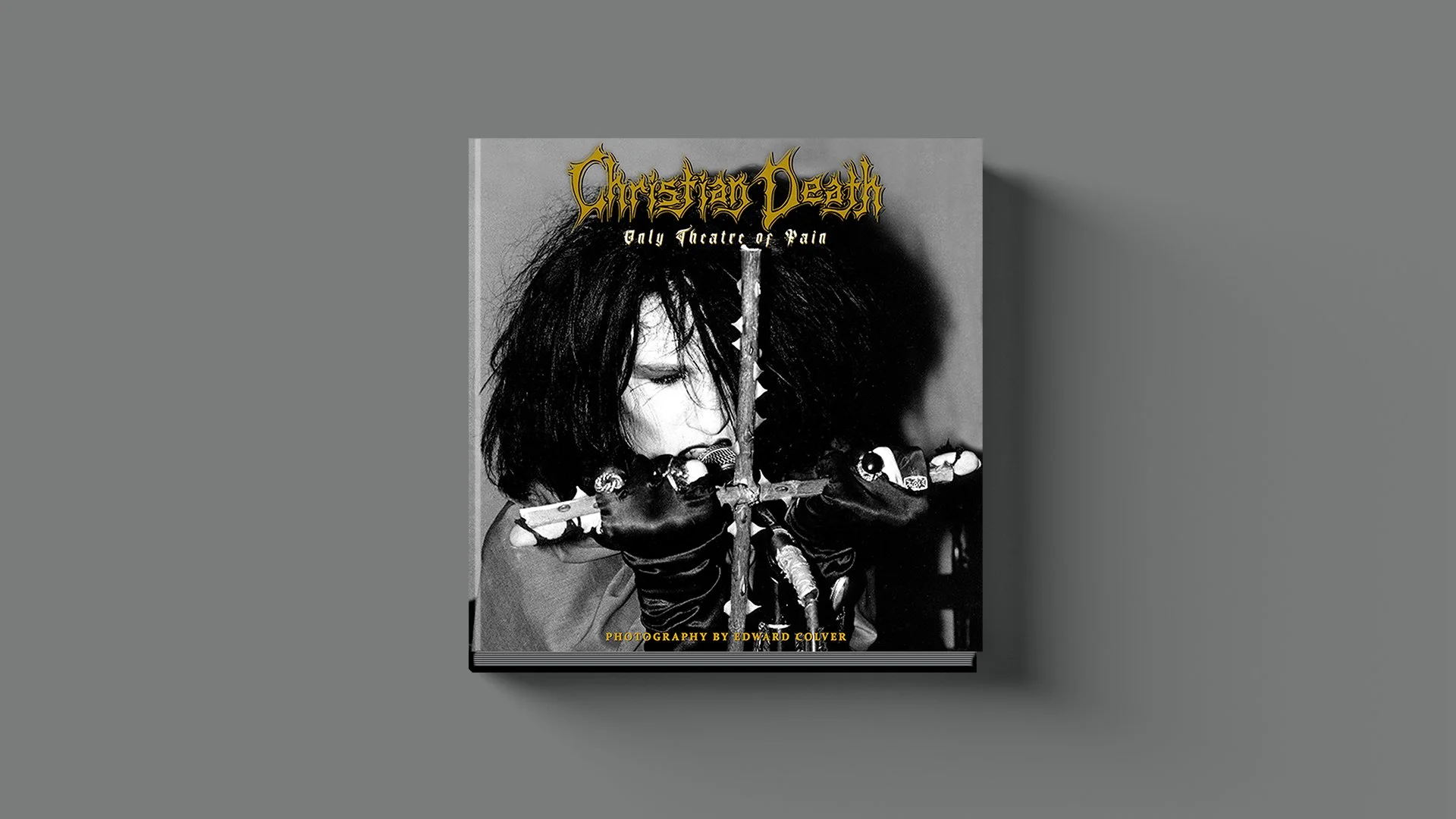
CHRISTIAN DEATH
ONLY THEATER OF PAIN
Photography by Edward Colver
—
Hard Cover Book
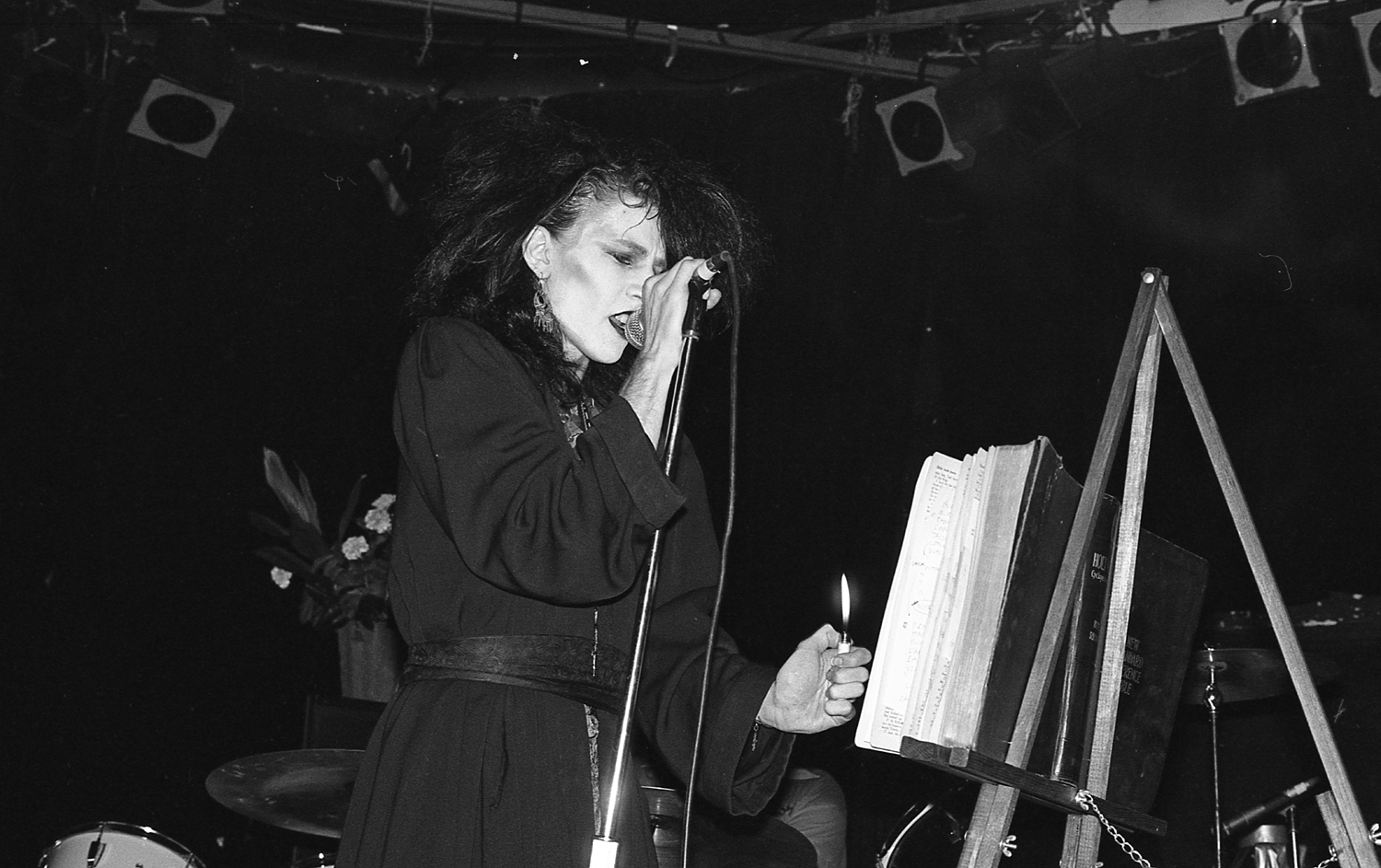
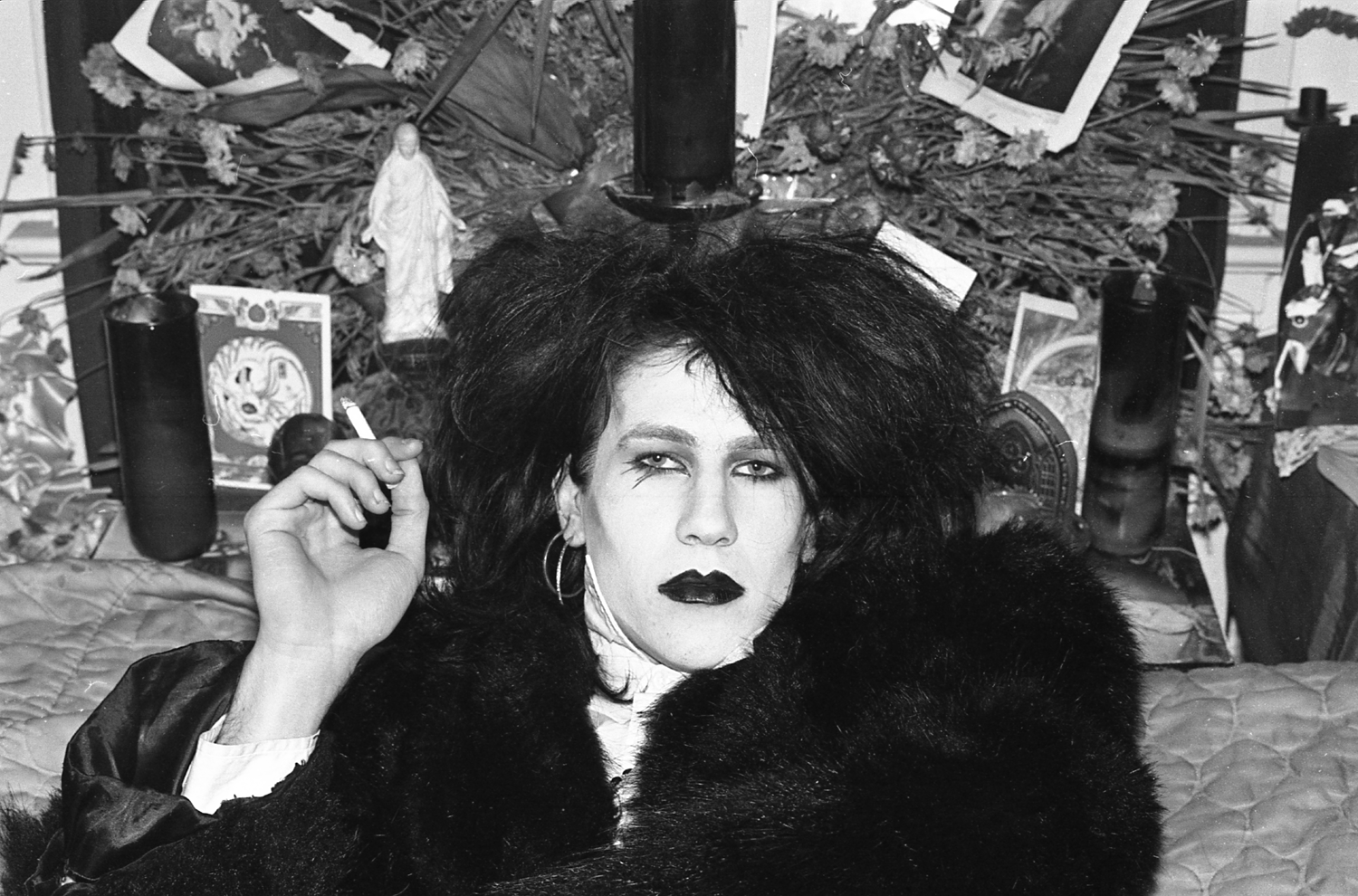
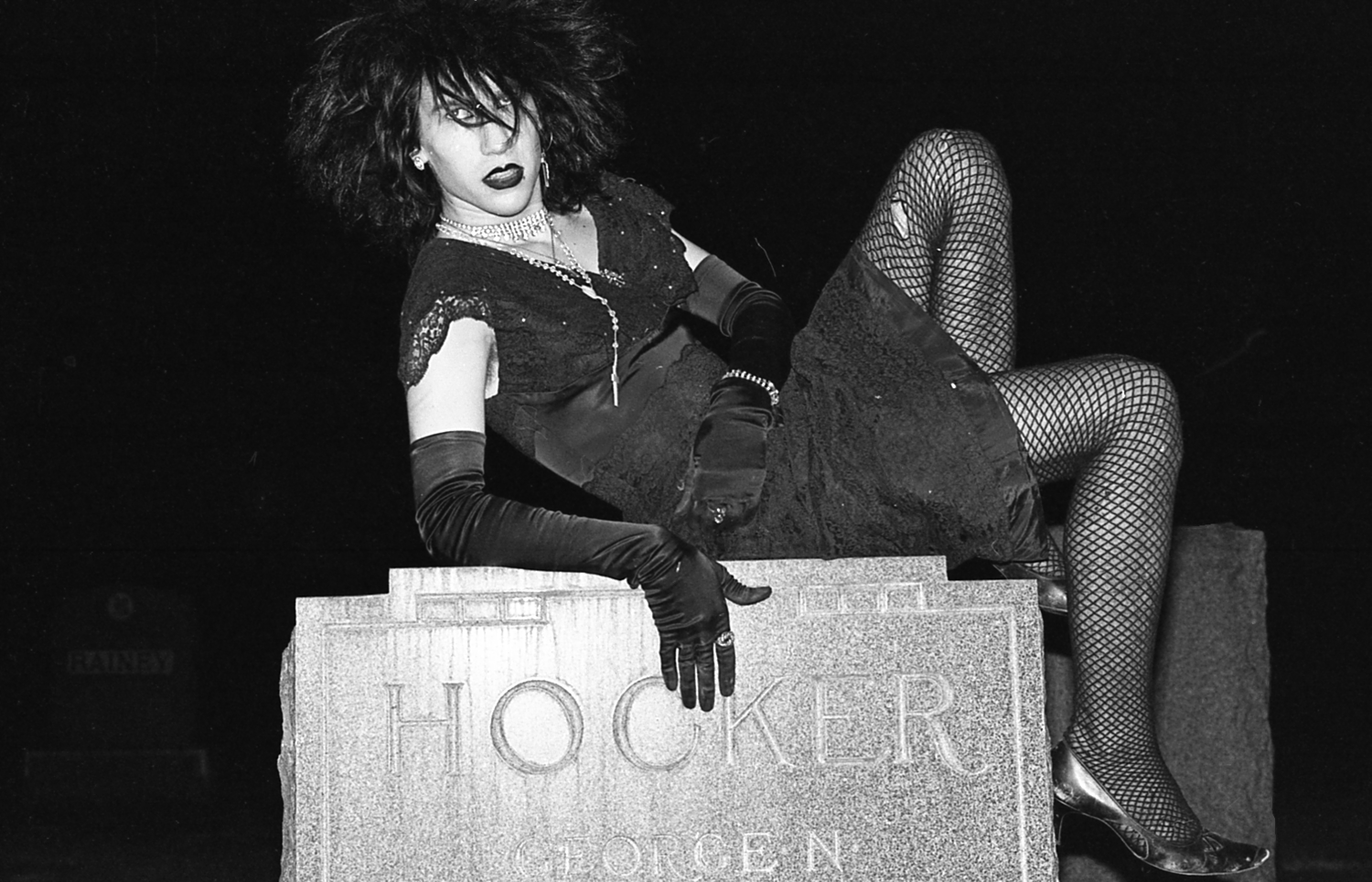
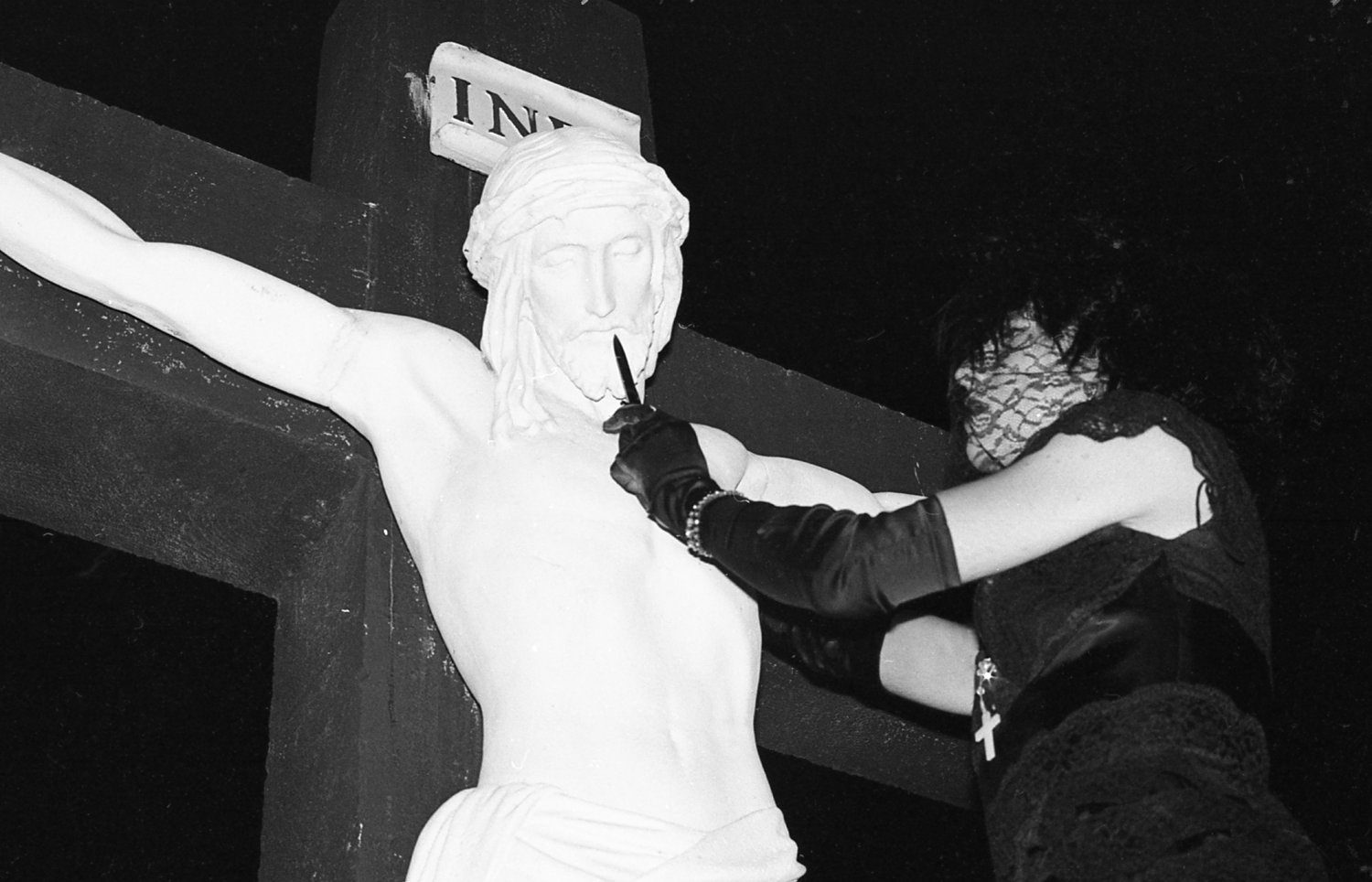
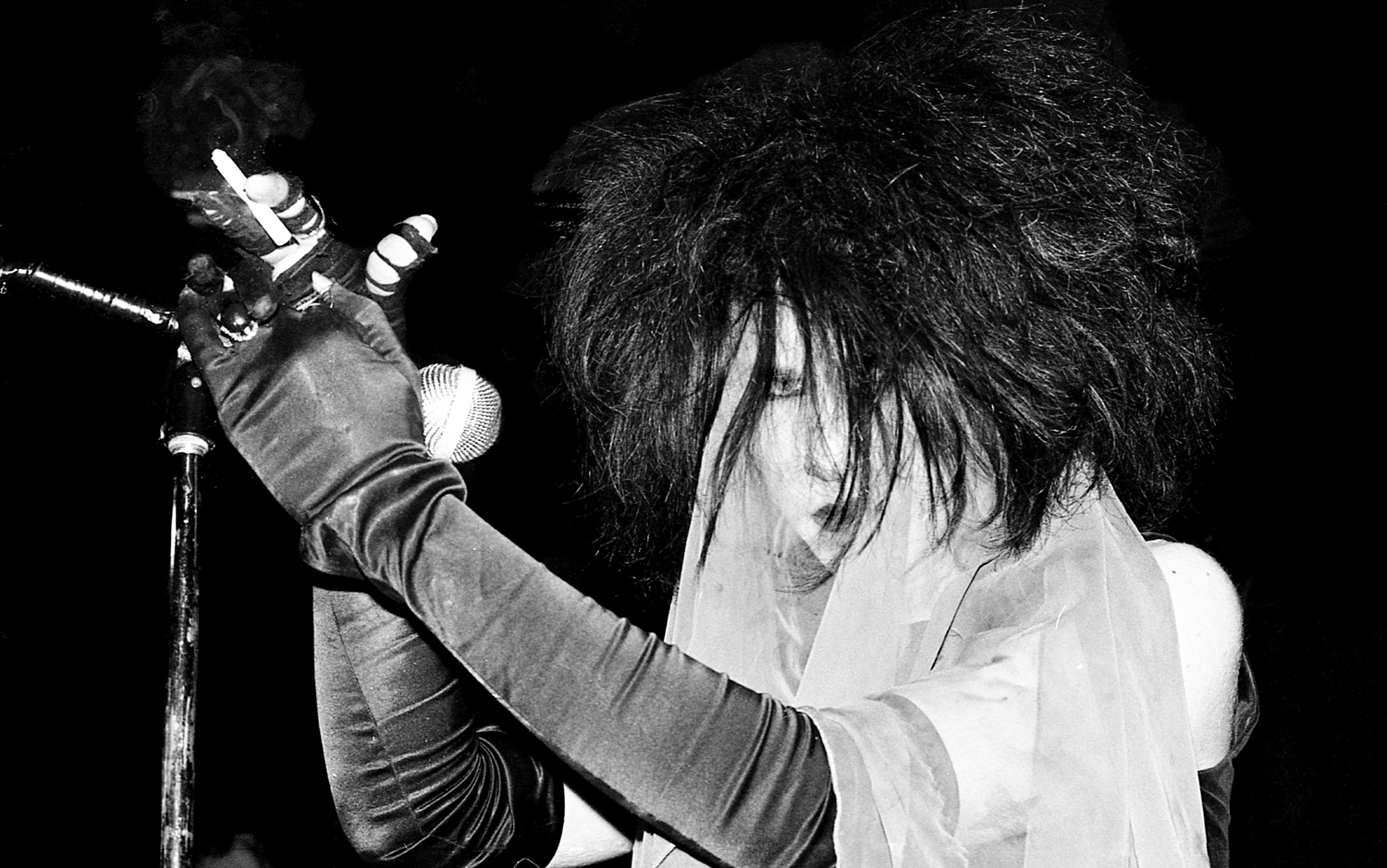
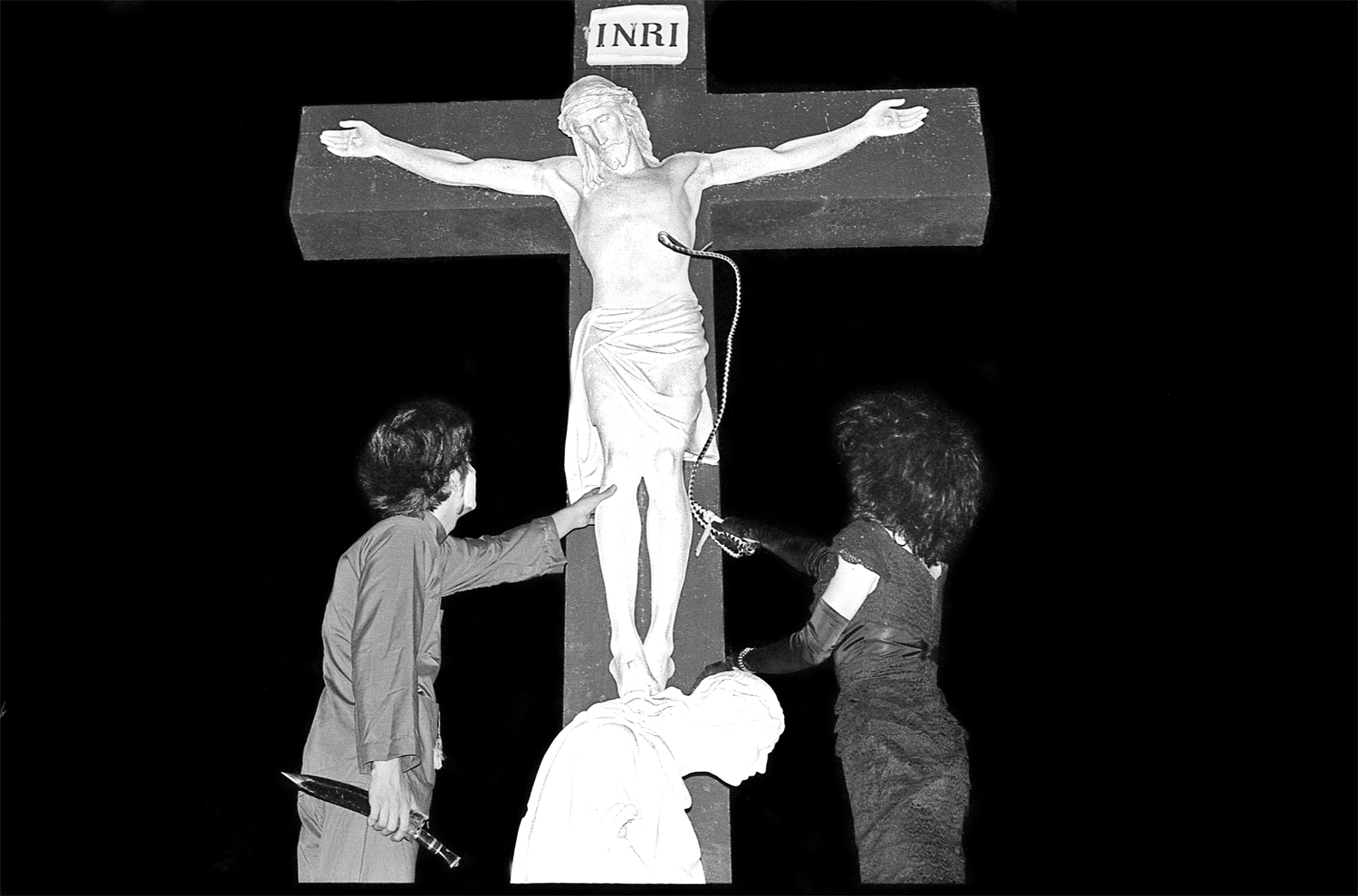
Christian Death is an American gothic rock band formed in Los Angeles County, California, in 1979 by Rozz Williams. Williams was eventually joined by guitarist Rikk Agnew of the band Adolescents, with James McGearty on bass guitar and George Belanger on drums. This lineup was responsible for producing the band's best-known work, their 1982 debut album Only Theatre of Pain, which was highly influential in the development of the style of music known as death rock as well as the American gothic scene. During this time legendary L.A. punk rock photographer Edward Colver befriended the band and shot Christian Death at a dozen of the band's concerts in the Los Angeles area during a six-month period in 1981 and 1982, as well as photographing Rozz at his family home with the band which was later used for the back cover of Only Theatre of Pain, and a session of iconic images at a cemetery in Pomona.
Hardcover photography book, edited by Nico B, includes Exclusive Interviews with Edward Colver and original band members.
$69.95
Copyright
2022 | USA | English | 220 Pages | 12.25x12.25 | Color/B&W
First Edition of 1500 copies | UPC/ISBN 978-0-9998627-6-6
Editor | Nico B
Hard Cover Book
Christian Death is an American gothic rock band formed in Los Angeles County, California, in 1979 by Rozz Williams. Williams was eventually joined by guitarist Rikk Agnew of the band Adolescents, with James McGearty on bass guitar and George Belanger on drums. This lineup was responsible for producing the band's best-known work, their 1982 debut album Only Theatre of Pain, which was highly influential in the development of the style of music known as death rock as well as the American gothic scene. During this time legendary L.A. punk rock photographer Edward Colver befriended the band and shot Christian Death at a dozen of the band's concerts in the Los Angeles area during a six-month period in 1981 and 1982, as well as photographing Rozz at his family home with the band which was later used for the back cover of Only Theatre of Pain, and a session of iconic images at a cemetery in Pomona.
Hardcover photography book, edited by Nico B, includes Exclusive Interviews with Edward Colver and original band members.
Basic
Add your pricing strategy. Be sure to include important details like value, length of service, and why it’s unique.
Intermediate
Add your pricing strategy. Be sure to include important details like value, length of service, and why it’s unique.
Advanced
Add your pricing strategy. Be sure to include important details like value, length of service, and why it’s unique.
Bronze
Add your pricing strategy. Be sure to include important details like value, length of service, and why it’s unique.
Silver
Add your pricing strategy. Be sure to include important details like value, length of service, and why it’s unique.
Gold
Add your pricing strategy. Be sure to include important details like value, length of service, and why it’s unique.
Make it stand out.
-
It all begins with an idea. Maybe you want to launch a business. Maybe you want to turn a hobby into something more.
Quote Source
-
It all begins with an idea. Maybe you want to launch a business. Maybe you want to turn a hobby into something more.
Quote Source
-
It all begins with an idea. Maybe you want to launch a business. Maybe you want to turn a hobby into something more.
Quote Source
Pricing
$20
Option One
It all begins with an idea. Maybe you want to launch a business. Maybe you want to turn a hobby into something more. Or maybe you have a creative project to share with the world. Whatever it is, the way you tell your story online can make all the difference.
$40
Option Two
It all begins with an idea. Maybe you want to launch a business. Maybe you want to turn a hobby into something more. Or maybe you have a creative project to share with the world. Whatever it is, the way you tell your story online can make all the difference.
$60
Option Three
It all begins with an idea. Maybe you want to launch a business. Maybe you want to turn a hobby into something more. Or maybe you have a creative project to share with the world. Whatever it is, the way you tell your story online can make all the difference.
was born to Bob and Gladys Painter on November 6, 1963 in Glendora, which rests in the San Gabriel Valley of Southern California. His parents chose his middle name after American actor, Alan Ladd, as the Painters admired him for his acting ability. Ladd had a fairly successful career in Westerns and in film noirs but is probably best known for his starring role in The Great Gatsby in 1949.
Bob and Gladys were devout Southern Baptists, so Roger together with his two older brothers, Bobby and Larry, and elder sister, Janet, were raised within a strict religious household. His parents were both talented artists, though Bob spent most of his time trapping animals so he could sell the meat or pelts. During Roger’s early childhood in Glendora he became friends with Sindie Ardia. She was a couple of years his younger, but they lost contact when the Painter Family relocated to north Pomona. Though not far away in reality, the distance was too far for them to stay in touch with each other. The city is situated in Pomona Valley, between Inland Empire and the San Gabriel Valley.
Roger first began to take a keen interest in music at around the age of nine, listening to the recordings of David Bowie, Roxy Music, T-Rex, Alice Cooper, Iggy Pop, New York Dolls and many others. He knew even then that he wanted to be a musician. Those 70's glam rock icons would remain a strong influence to him throughout his life. Always a keen reader and writer, Roger, at age twelve, made his first real attempts at poetry. In 1976, Roger was always found carrying a notebook he filled with ideas and drawings. The lyrics to "Desperate Hell" were started in 1976 and those for "Romeo's Distress" were first put to paper in 1977, though both would be revised and improved upon numerous times over next few years. Roger attended Pomona High School, whose students were predominantly African-American and Hispanic. It was there, at around the age of thirteen or fourteen, that Roger and Jill Emery became friends, discovering in each other, a similar interest in music and an attraction to wearing second-hand and homemade clothing. Roger already owned a guitar by this time, a gift from his parents, and Jill bought a bass guitar.
Together, they would jam for hours in her room or chat constantly on the phone. In the summer of 1978 they decided that they wanted to start making music rather than just listening to it. Roger placed an ad on the notice board of Rhino Records in neighboring Claremont, which simply said 'drummer wanted for local punk rock band'. This was read with interest by Steve Darrow, the thirteen year old son of lauded multi-instrumentalist and singer-songwriter Chris Darrow. Steve, in the last year, had developed a passion for playing drums, practicing every spare moment in his parent's garage. Steve called the number on the card and spoke to Roger to express his interest and arranged to meet up at the Darrow’s garage. Meeting for the first time about a week later, Roger and Jill were startled to find that Steve had long hair rather than the punk rock image they were expecting and he was also a couple of years younger than them. Despite the shock, they still plugged their guitars into an amp and proceeded to jam. This was the birth of a band that would later become the A-Sexuals.
Due to poor attendance record at Pomona High School, Roger was expelled and was transferred to Claremont High School. He quickly became part of a small gang of people including Steve Darrow, John Albert (“Jay”), and Peter Andrus who were all into the same kind of music. They would frequently skip classes and hang out together, normally at the family home of one of Roger's friends, Sylvia. Her place was empty during the daytime, so they could listen to records, drink alcohol and smoke marijuana. They would make up stage names such as Xerox Clone and later Steve Tragic (both Roger), Jill Jagged (Jill), Carmine Dioxide (Steve) and Art Damage (Jay). Augmented occasionally by Sylvia, the A-Sexuals were formed and would rehearse in either Steve or Jill's garage with Roger singing, playing guitar and organ, Jill on bass and backing vocals and Steve behind the drum kit. Influenced by a mix of the 70's glam rock music from their youth and the punk rock sounds of the Germs, The
was born to Bob and Gladys Painter on November 6, 1963 in Glendora, which rests in the San Gabriel Valley of Southern California. His parents chose his middle name after American actor, Alan Ladd, as the Painters admired him for his acting ability. Ladd had a fairly successful career in Westerns and in film noirs but is probably best known for his starring role in The Great Gatsby in 1949.
Bob and Gladys were devout Southern Baptists, so Roger together with his two older brothers, Bobby and Larry, and elder sister, Janet, were raised within a strict religious household. His parents were both talented artists, though Bob spent most of his time trapping animals so he could sell the meat or pelts. During Roger’s early childhood in Glendora he became friends with Sindie Ardia. She was a couple of years his younger, but they lost contact when the Painter Family relocated to north Pomona. Though not far away in reality, the distance was too far for them to stay in touch with each other. The city is situated in Pomona Valley, between Inland Empire and the San Gabriel Valley.
Roger first began to take a keen interest in music at around the age of nine, listening to the recordings of David Bowie, Roxy Music, T-Rex, Alice Cooper, Iggy Pop, New York Dolls and many others. He knew even then that he wanted to be a musician. Those 70's glam rock icons would remain a strong influence to him throughout his life. Always a keen reader and writer, Roger, at age twelve, made his first real attempts at poetry. In 1976, Roger was always found carrying a notebook he filled with ideas and drawings. The lyrics to "Desperate Hell" were started in 1976 and those for "Romeo's Distress" were first put to paper in 1977, though both would be revised and improved upon numerous times over next few years. Roger attended Pomona High School, whose students were predominantly African-American and Hispanic. It was there, at around the age of thirteen or fourteen, that Roger and Jill Emery became friends, discovering in each other, a similar interest in music and an attraction to wearing second-hand and homemade clothing. Roger already owned a guitar by this time, a gift from his parents, and Jill bought a bass guitar.
Together, they would jam for hours in her room or chat constantly on the phone. In the summer of 1978 they decided that they wanted to start making music rather than just listening to it. Roger placed an ad on the notice board of Rhino Records in neighboring Claremont, which simply said 'drummer wanted for local punk rock band'. This was read with interest by Steve Darrow, the thirteen year old son of lauded multi-instrumentalist and singer-songwriter Chris Darrow. Steve, in the last year, had developed a passion for playing drums, practicing every spare moment in his parent's garage. Steve called the number on the card and spoke to Roger to express his interest and arranged to meet up at the Darrow’s garage. Meeting for the first time about a week later, Roger and Jill were startled to find that Steve had long hair rather than the punk rock image they were expecting and he was also a couple of years younger than them. Despite the shock, they still plugged their guitars into an amp and proceeded to jam. This was the birth of a band that would later become the A-Sexuals.
Due to poor attendance record at Pomona High School, Roger was expelled and was transferred to Claremont High School. He quickly became part of a small gang of people including Steve Darrow, John Albert (“Jay”), and Peter Andrus who were all into the same kind of music. They would frequently skip classes and hang out together, normally at the family home of one of Roger's friends, Sylvia. Her place was empty during the daytime, so they could listen to records, drink alcohol and smoke marijuana. They would make up stage names such as Xerox Clone and later Steve Tragic (both Roger), Jill Jagged (Jill), Carmine Dioxide (Steve) and Art Damage (Jay). Augmented occasionally by Sylvia, the A-Sexuals were formed and would rehearse in either Steve or Jill's garage with Roger singing, playing guitar and organ, Jill on bass and backing vocals and Steve behind the drum kit. Influenced by a mix of the 70's glam rock music from their youth and the punk rock sounds of the Germs, The Damned, Adam and the Ants, Siouxsie and the Banshees and P.I.L.. The A-Sexuals wrote a few of their own songs such as "Mannequin Depression", "Sexless", "Society",
was born to Bob and Gladys Painter on November 6, 1963 in Glendora, which rests in the San Gabriel Valley of Southern California. His parents chose his middle name after American actor, Alan Ladd, as the Painters admired him for his acting ability. Ladd had a fairly successful career in Westerns and in film noirs but is probably best known for his starring role in The Great Gatsby in 1949.
Bob and Gladys were devout Southern Baptists, so Roger together with his two older brothers, Bobby and Larry, and elder sister, Janet, were raised within a strict religious household. His parents were both talented artists, though Bob spent most of his time trapping animals so he could sell the meat or pelts. During Roger’s early childhood in Glendora he became friends with Sindie Ardia. She was a couple of years his younger, but they lost contact when the Painter Family relocated to north Pomona. Though not far away in reality, the distance was too far for them to stay in touch with each other. The city is situated in Pomona Valley, between Inland Empire and the San Gabriel Valley.
Roger first began to take a keen interest in music at around the age of nine, listening to the recordings of David Bowie, Roxy Music, T-Rex, Alice Cooper, Iggy Pop, New York Dolls and many others. He knew even then that he wanted to be a musician. Those 70's glam rock icons would remain a strong influence to him throughout his life. Always a keen reader and writer, Roger, at age twelve, made his first real attempts at poetry. In 1976, Roger was always found carrying a notebook he filled with ideas and drawings. The lyrics to "Desperate Hell" were started in 1976 and those for "Romeo's Distress" were first put to paper in 1977, though both would be revised and improved upon numerous times over next few years. Roger attended Pomona High School, whose students were predominantly African-American and Hispanic. It was there, at around the age of thirteen or fourteen, that Roger and Jill Emery became friends, discovering in each other, a similar interest in music and an attraction to wearing second-hand and homemade clothing. Roger already owned a guitar by this time, a gift from his parents, and Jill bought a bass guitar.
EARLY
YEARS
Lorem ipsum
Lorem ipsum dolor sit amet, consectetur adipiscing elit, sed do eiusmod tempor incididunt ut labore et dolore magna aliqua. Ut enim ad minim veniam, quis nostrud exercitation ullamco laboris nisi ut aliquip ex ea commodo consequat. Duis aute irure dolor in reprehenderit in voluptate velit esse cillum dolore eu fugiat nulla pariatur. Excepteur sint occaecat cupidatat non proident, sunt in culpa qui officia deserunt mollit anim id est laborum.
Lorem ipsum dolor sit amet, consectetur adipiscing elit, sed do eiusmod tempor incididunt ut labore et dolore magna aliqua. Ut enim ad minim veniam, quis nostrud exercitation ullamco.
EARLY
YEARS
RON
ATHEY
Lorem ipsum
Lorem ipsum dolor sit amet, consectetur adipiscing elit, sed do eiusmod tempor incididunt ut labore et dolore magna aliqua. Ut enim ad minim veniam, quis nostrud exercitation ullamco laboris nisi ut aliquip ex ea commodo consequat. Duis aute irure dolor in reprehenderit in voluptate velit esse cillum dolore eu fugiat nulla pariatur. Excepteur sint occaecat cupidatat non proident, sunt in culpa qui officia deserunt mollit anim id est laborum.
Lorem ipsum dolor sit amet, consectetur adipiscing elit, sed do eiusmod tempor incididunt ut labore et dolore magna aliqua. Ut enim ad minim veniam, quis nostrud exercitation ullamco.
Roger got to know Germs singer Darby Crash pretty well from attending many of their shows and hanging around with him outside the venues. Roger regarded him as a friend and would have lengthy phone conversations with him. Roger would copy the way that Darby dressed or styled his hair, and the friendship became more than being purely platonic. Darby had used the pseudonym, Bobby Pyn rather than his birth name, Jan Paul Beahm, when the Germs first formed, but soon changed it to Darby Crash. This was the inspiration for Roger deciding that he would be called 'Rozz', which became his identity for the rest of his life. 'Williams' was added a short time later, possibly as an homage to one of his favorite writers, William S. Burroughs.
It was outside of a show at the Starwood, on Santa Monica Boulevard, that Rozz first met James McGearty and started discussing music with him. James stated that he played bass and jammed with his childhood friend George Belanger, who had been drumming since he was six years old. Both were well-known characters from the skate park in Upland, which borders Claremont. They shared a love for punk rock and had sometimes acted as roadies for the Claremont band, Stepmothers, as well as for 45 Grave. James introduced Rozz to George after the show ended and all agreed to meet the following week at the Painter's house in Pomona, with Jay also in attendance. An agreement was made to jam at Jay's garage in Claremont, located almost opposite from where The Decadents rehearsed. Rozz provided some lyrics and songs he had been working on; influenced by a mix of British punk rock and Alice Cooper and Black Sabbath. Rozz suggested Christian Death as the band's name, an obvious response to the emotional issues he was experiencing from being raised in such a stern religious environment. Christian Death was officially formed in October 1979 with Rozz only just nearing his sixteenth birthday. Some of the earliest songs from this period were "'Dogs", "Deathwish" and "Marie", which was retitled "Burnt Offerings". "Desperate Hell" and "Religious Disease", which was renamed "Spiritual Cramp", soon followed.
Rozz had reconnected with Sindie by this time and
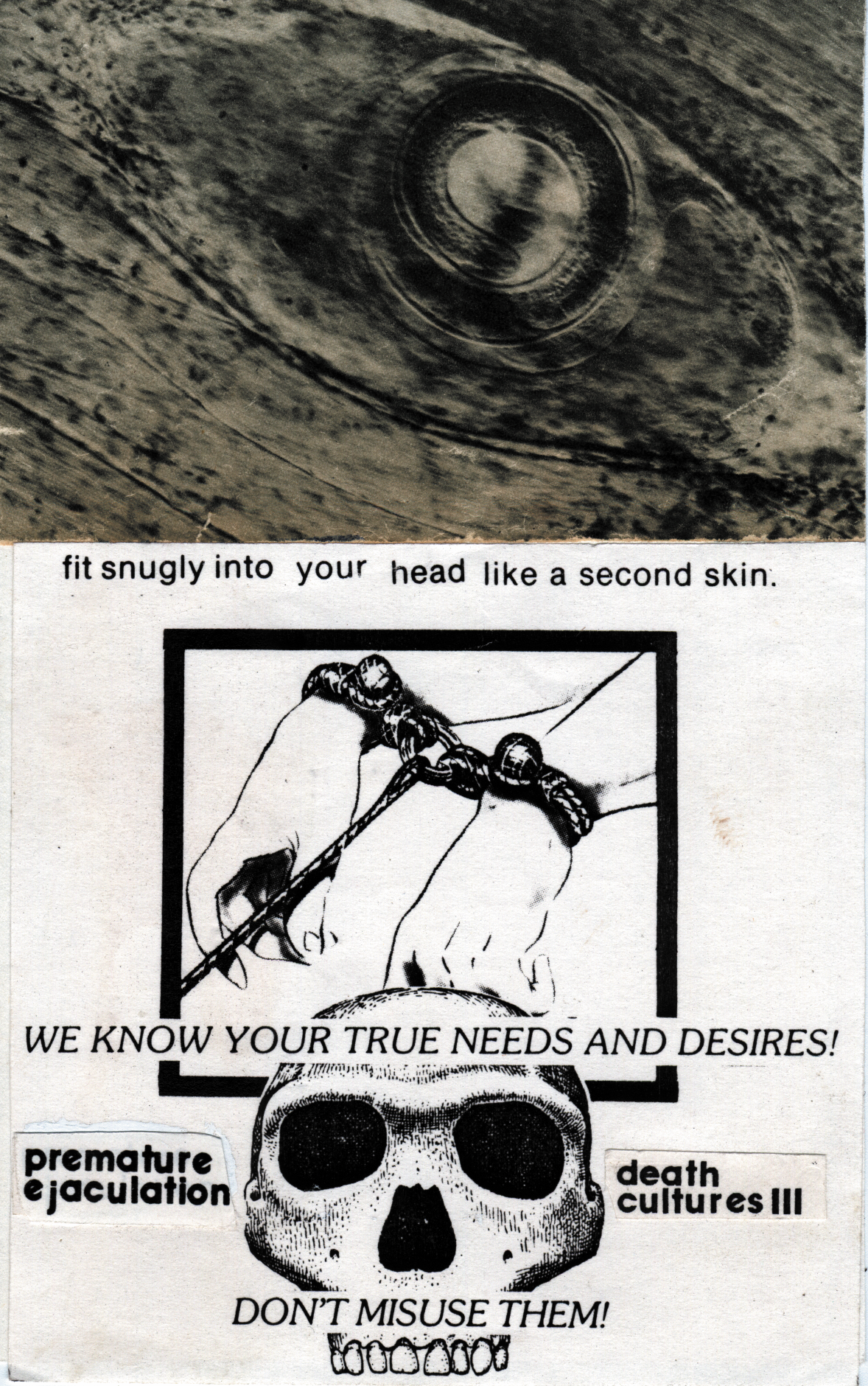
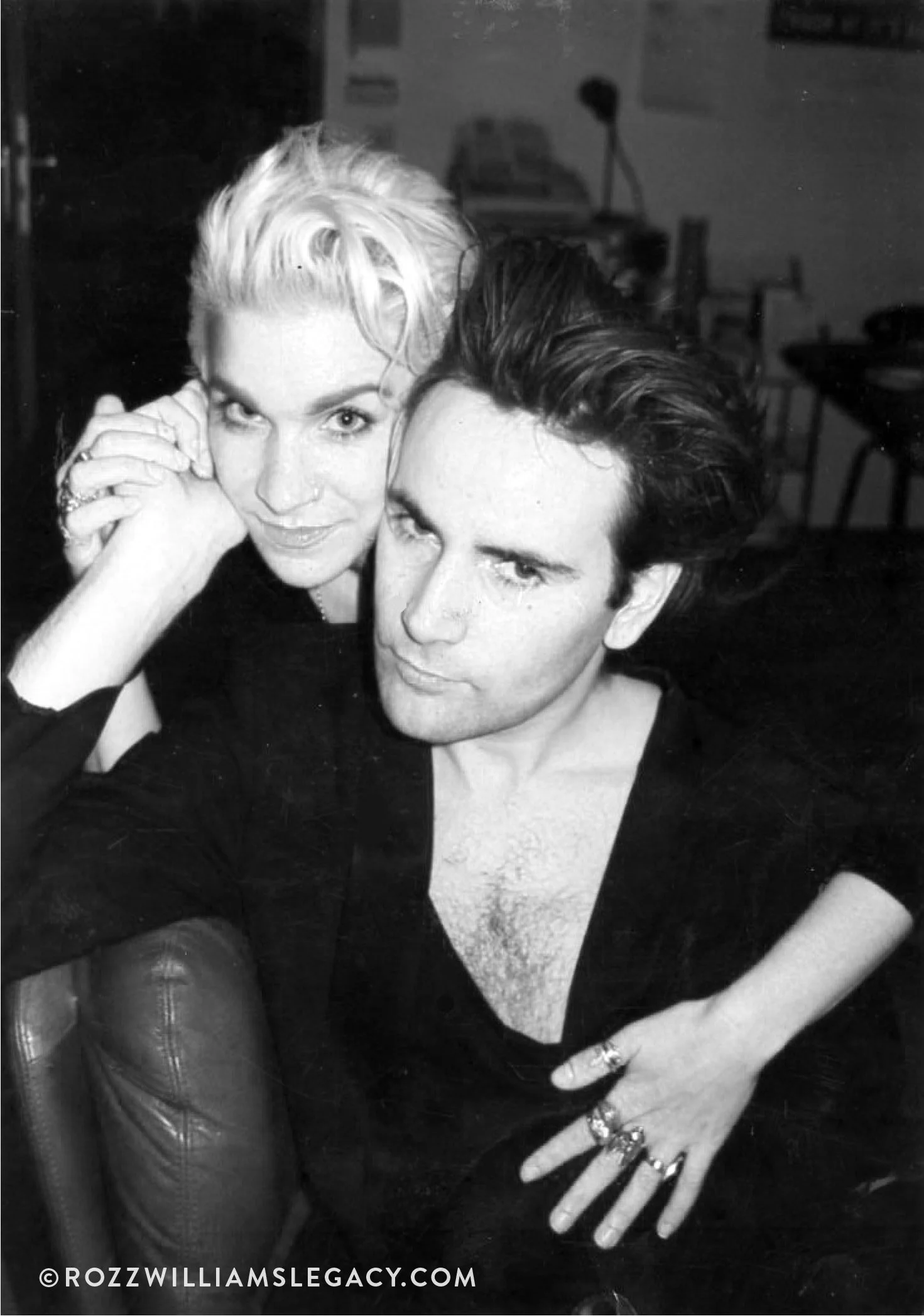
became close friends with Mary Torciva and also with Ron Athey, who had started to attend Claremont High School but who would often skip class to hang out with Steve Darrow and Jay. Rozz had lasted less than a year at the school and so had not met Ron until the afternoon he came to watch Christian Death rehearse in John's garage. Two years his senior, Ron had experienced an even more severe religious upbringing than Rozz. Ron Athey was born into a devout and dysfunctional Pentecostal family, who moved to the Inland Empire when Ron was just a small child. His aunt was a self-proclaimed prophet, and raised Ron to be a Pentecostal minister, a chosen one. Ron was subjected to, and immersed in, "automatic writing, glossolalia, xenolalia, prophecy, communion with the spirits of the dead...faith healing, and...rituals like baptism, foot washing, anointing in different oils, singing, shaking, and spirit dancing" (a tribal style that swells into ecstatic dancing and screaming). Having been prescribed Valium since he was nine, Ron was addicted when the prescription was stopped six years later. At fifteen and realizing that everything he had been brought up to believe was a lie, he took an overdose - the first of many suicide attempts; and ran away from home. Rozz and Ron shared a love for writers such as Burroughs, Jean Genet, and Aleister Crowley and had developed an instant bond that would soon become inseparable as they experienced life to the full. This was the first serious relationship for both of them, and Rozz finally felt safe to come out to his friends and the rest of the band. Ron recounts that they “became involved in a love affair that lasted three years. Ours was a volatile relationship that revolved around music, art and monstrous public personas. We were true punk romantics - he pierced my nipple, I tattooed his name on my wrist."
During the summer of 1980, Pomona resident, Bill Sassenberger, opened up a small punk rock record store on Holt Avenue called Toxic Shock selling not only American punk records but also UK imports, posters, pins, leather wristbands and other such merchandise. Bill lived in the back of the store, so there was no set business hours and the tiny shop would often be open until late at night, attracting punk
rockers in the area who really had nowhere else to hang out. Bill and Ron Athey found they shared a love for Throbbing Gristle, and soon Ron was a regular there and would often spend his days in the store listening to the latest releases by Throbbing Gristle, NON and Patti Smith and reading the great French writers - Andre Gide, Charles Baudelaire and Jean Genet. By that autumn, Bill had even started to host local bands to perform small sets from inside the store. The Decadents were one such band to play, as did Christian Death for what would have been their first public performance, albeit in an informal setting. It did lead however to a booking at the nearby Arts Building, which was opened in February 1979 by Art DeLeon to help promote the live art scene in Pomona. The small space was an art gallery and concert venue and was the focal point for bands in the area.
The entire Los Angeles punk rock community were stunned by the devastating news of Darby Crash’s death on December 7, 1980, in the guest house at 137 North Fuller Avenue, Hollywood. He had been out to the Hong Kong Cafe earlier that evening with Casey "Cola" Hopkins and at some point scored raw China White heroin, using all of the proceeds he had earned from the Germs reunion show at the Starwood four days earlier. Aged just twenty-two, his death was ruled as a suicide due to the extremely high amount of the drug he had in his system. Darby had administered a lesser dose to Casey, and whether by accident or by intent, she survived. Rozz never talked publically about Darby's death but it likely had a profound effect on him. He would always cite the Germs as one of his main musical influences. Eight years later, he would actually sing a whole set of Germs songs at a performance that served as a prematrimonial celebration between himself and Eva Ortiz.
All four members of Christian Death were in attendance at the Hong Kong Cafe on Saturday, December 13, 1980 to see Castration Squad as James and George were good friends with the band. The support act that evening were Phoenix group, Killer Pussy, who received a hostile reception from
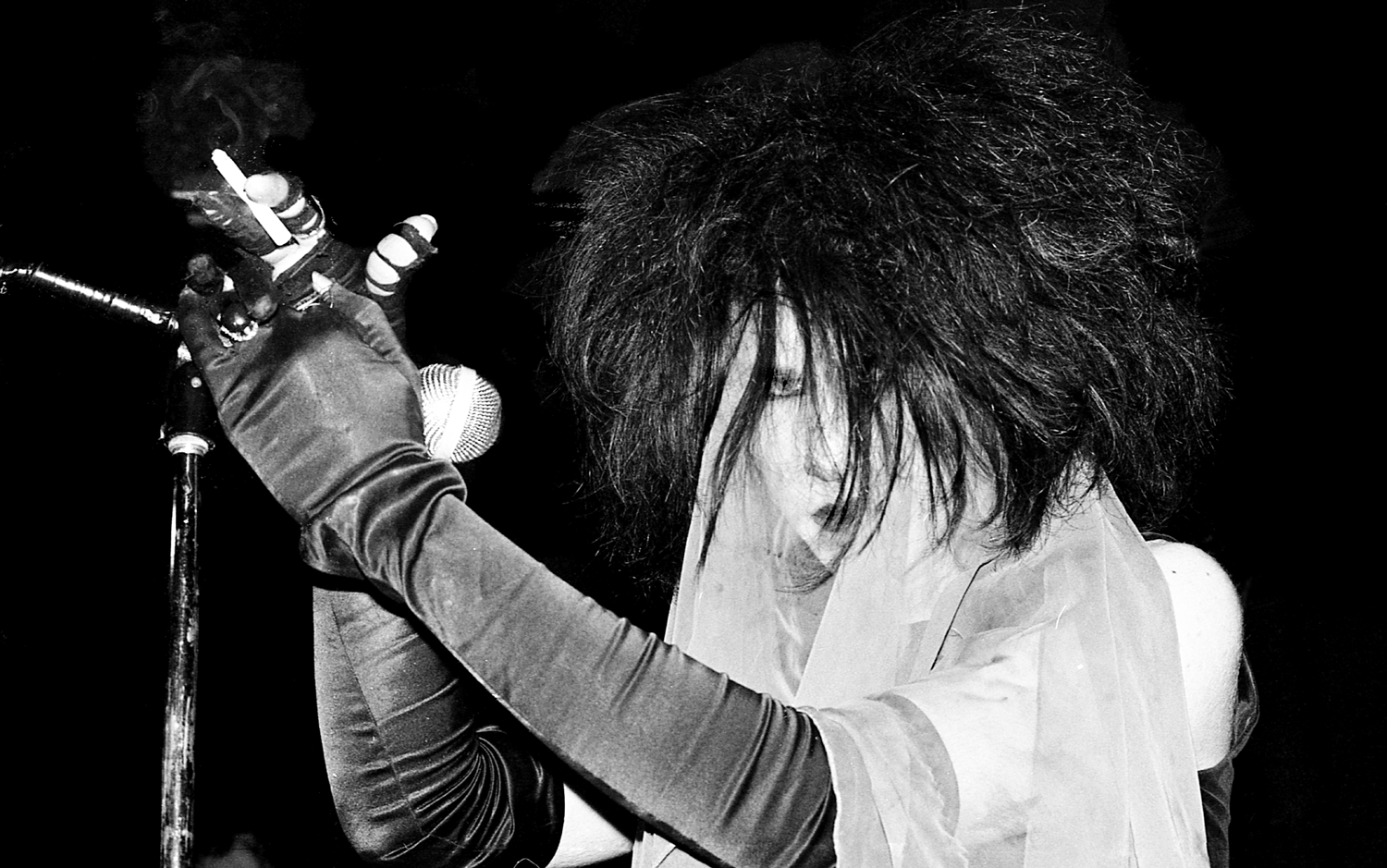
the audience and only managed to last a few songs before they walked off stage. As not all the members of Castration Squad had arrived at the venue yet, Don Bolles - the 45 Grave and ex-Germs drummer- asked whether Christian Death could perform a short set using Castration Squad's instruments in the interim. The crowd loved them and they were even mentioned in the review of the show by Dave Damage in the influential Flipside fanzine. This led to an interview conducted by Dave and Al Flipside in Ontario, California on December 27, together with a photoshoot in a nearby graveyard. The article was published in the January/February 1981 issue.
Christian Death performed a second show at the Arts Building on January 4, 1981 supporting 45 Grave, who included Dinah Cancer from Castration Squad. Art recalls the band bringing coffins into the venue to enhance the stage set and candles being lit to affect the lighting. The set comprised of songs that would later be included on the Deathwish EP and Only Theatre of Pain album. A review of the show was again featured in Flipside. A further performance was given at the Arts Building on January 18, but this time under the guise of Acid Flag. This consisted of Rozz, James, George and Mary Torciva all playing each other's instruments and improvising vocals while tripping on LSD. The idea of a gig of this nature may have come from their playing about hitting pots and pans and pretty much whatever item they could find during downtime in rehearsals. A recording of one of these free jam sessions was included as bonus CD on the release of Premature Ejaculation - (Part 1) by Malaise Music in 2010. It gives us a unique opportunity to hear them during this very early period.
Inspired by the success of the Arts Building, Bill Sassenberger decided to rent the P.A.L. Boxing Gym to host larger concerts. Despite its location in a rather rundown part of Pomona, the P.A.L. quickly established itself, and within the first month of opening had Subhumans (from Vancouver), Red Rockers (from New Orleans), China White (from Huntington Beach), Adolescents and Social Distortion (both from Fullerton) all on the same bill on Tuesday
20th January, with Christian Death being given the task of opening the proceedings. Rikk Agnew, the Adolescents' lead guitarist, and known as "General Hospital" at the time, remembers being intrigued by the band's name when he first saw it on the flyer for the show. Born on December 9, 1958 into a family with a rich musical pedigree, Rikk first started gaining an interest in music in high school and had already been performing on stage for three or fours years with bands such as Naughty Women, the Detours and Social Distortion before joining the Adolescents in the summer of 1980. Rikk started as the band’s drummer and then became the guitarist because he would too often break the drum kit at shows. The small stage at the P.A.L. Boxing Gym had already been decorated earlier in the day with wreaths and flowers taken from a local cemetery, and a bunch of Christian Death fans came dressed in black suits and dresses with mourning veils, and stood at the front with heads bowed as if in prayer as the music started. Rikk encountered a guy in the toilets, making last minute fixes to his hair and makeup, and instantly knew that this must be the singer of the band. Even at this early stage, and in a matter of weeks, Rozz had begun to jettison his punk rock image in favor of something darker and moodier. Rozz’s look was likely a mix of Shannon Wilhelm (Castration Squad’s vocalist) and the influence of Ron, who was the more flamboyant and fashion-conscious one in their relationship. Christian Death's short set that night received a rousing reception from the crowd and Rikk sought out James and George afterwards to tell them how impressed he was by their performance, a conversation which even got round to the possibility of Rikk producing their first record. Dave Damage described them as being 'fantastic' and even comparing them to Siouxsie and the Banshees in his review of the gig in Flipside.
Not long after this joyous occasion the band and their friends were hanging out at Toxic Shock when George became involved in an altercation with an old hippie called "Crazy Ray" who was making a nuisance of himself. At one point George chased him
out of the store, but could not stop in time from crashing into the glass door which had closed quickly behind the fleeing Ray. Sustaining deep cuts to his left wrist, George had to be taken to an emergency room so the wound could be stitched up and the doctor informed him that he should refrain from drumming for a few months so that it could heal properly. With another gig already booked at the P.A.L. Boxing Gym on February 14, and now being elevated up the order to being the third band on out of five, they decided to ask Steve Darrow to cover for George rather than cancel their performance. Steve rehearsed with the band and under George's guidance quickly learnt their set, including a couple of brand new songs. Rozz notably designed the flyer, his last one for the band, in which he entitled the show as 'The Valentine's Day Mass with Christian Death'. Being held on a Saturday evening, and with The Cheifs and The Gears co-headlining, expectations were high and Jill Emery and Peter Andrus were in attendance to watch their bandmate fill in for George. Events began to unravel when George presented himself on the drum kit and announced that he had made a full recovery from his injury and was ready to play. Jay was particularly perturbed by this act, due to his long-standing friendship with Steve Darrow. There was certainly tension in the air as Rozz, Jay and James joined George on stage for a couple of songs before Steve was finally given his opportunity. Things went from bad to worse however when Steve knocked a cymbal stand over mid-song which prompted Jay to not want to continue and so he unhooked his guitar and walked off the stage and out of the venue, leaving the rest of them in bewilderment. The rest of the set was cancelled though Jill and Peter were willing to hastily take to the stage to perform a short Decadents set with Steve to fill in the time before the next band were ready to play. Jay duly announced his decision to leave Christian Death. He had been practicing less, partying more and realized that his heart was no longer in it, but he was also all too aware of his own limitations as a guitarist and felt that he was not able to progress his skills as the music had evolved. Christian Death dissolved before they could even
Roger got to know Germs singer Darby Crash pretty well from attending many of their shows and hanging around with him outside the venues. Roger regarded him as a friend and would have lengthy phone conversations with him. Roger would copy the way that Darby dressed or styled his hair, and the friendship became more than being purely platonic. Darby had used the pseudonym, Bobby Pyn rather than his birth name, Jan Paul Beahm, when the Germs first formed, but soon changed it to Darby Crash. This was the inspiration for Roger deciding that he would be called 'Rozz', which became his identity for the rest of his life. 'Williams' was added a short time later, possibly as an homage to one of his favorite writers, William S. Burroughs.
It was outside of a show at the Starwood, on Santa Monica Boulevard, that Rozz first met James McGearty and started discussing music with him. James stated that he played bass and jammed with his childhood friend George Belanger, who had been drumming since he was six years old. Both were well-known characters from the skate park in Upland, which borders Claremont. They shared a love for punk rock and had sometimes acted as roadies for the Claremont band, Stepmothers, as well as for 45 Grave. James introduced Rozz to George after the show ended and all agreed to meet the following week at the Painter's house in Pomona, with Jay also in attendance. An agreement was made to jam at Jay's garage in Claremont, located almost opposite from where The Decadents rehearsed. Rozz provided some lyrics and songs he had been working on; influenced by a mix of British punk rock and Alice Cooper and Black Sabbath. Rozz suggested Christian Death as the band's name, an obvious response to the emotional issues he was experiencing from being raised in such a stern religious environment. Christian Death was officially formed in October 1979 with Rozz only just nearing his sixteenth birthday. Some of the earliest songs from this period were "'Dogs", "Deathwish" and "Marie", which was retitled "Burnt Offerings". "Desperate Hell" and "Religious Disease", which was renamed "Spiritual Cramp", soon followed.
Rozz had reconnected with Sindie by this time and
became close friends with Mary Torciva and also with Ron Athey, who had started to attend Claremont High School but who would often skip class to hang out with Steve Darrow and Jay. Rozz had lasted less than a year at the school and so had not met Ron until the afternoon he came to watch Christian Death rehearse in John's garage. Two years his senior, Ron had experienced an even more severe religious upbringing than Rozz. Ron Athey was born into a devout and dysfunctional Pentecostal family, who moved to the Inland Empire when Ron was just a small child. His aunt was a self-proclaimed prophet, and raised Ron to be a Pentecostal minister, a chosen one. Ron was subjected to, and immersed in, "automatic writing, glossolalia, xenolalia, prophecy, communion with the spirits of the dead...faith healing, and...rituals like baptism, foot washing, anointing in different oils, singing, shaking, and spirit dancing" (a tribal style that swells into ecstatic dancing and screaming). Having been prescribed Valium since he was nine, Ron was addicted when the prescription was stopped six years later. At fifteen and realizing that everything he had been brought up to believe was a lie, he took an overdose - the first of many suicide attempts; and ran away from home. Rozz and Ron shared a love for writers such as Burroughs, Jean Genet, and Aleister Crowley and had developed an instant bond that would soon become inseparable as they experienced life to the full. This was the first serious relationship for both of them, and Rozz finally felt safe to come out to his friends and the rest of the band. Ron recounts that they “became involved in a love affair that lasted three years. Ours was a volatile relationship that revolved around music, art and monstrous public personas. We were true punk romantics - he pierced my nipple, I tattooed his name on my wrist."
During the summer of 1980, Pomona resident, Bill Sassenberger, opened up a small punk rock record store on Holt Avenue called Toxic Shock selling not only American punk records but also UK imports, posters, pins, leather wristbands and other such merchandise. Bill lived in the back of the store, so there was no set business hours and the tiny shop would often be open until late at night, attracting punk
rockers in the area who really had nowhere else to hang out. Bill and Ron Athey found they shared a love for Throbbing Gristle, and soon Ron was a regular there and would often spend his days in the store listening to the latest releases by Throbbing Gristle, NON and Patti Smith and reading the great French writers - Andre Gide, Charles Baudelaire and Jean Genet. By that autumn, Bill had even started to host local bands to perform small sets from inside the store. The Decadents were one such band to play, as did Christian Death for what would have been their first public performance, albeit in an informal setting. It did lead however to a booking at the nearby Arts Building, which was opened in February 1979 by Art DeLeon to help promote the live art scene in Pomona. The small space was an art gallery and concert venue and was the focal point for bands in the area.
The entire Los Angeles punk rock community were stunned by the devastating news of Darby Crash’s death on December 7, 1980, in the guest house at 137 North Fuller Avenue, Hollywood. He had been out to the Hong Kong Cafe earlier that evening with Casey "Cola" Hopkins and at some point scored raw China White heroin, using all of the proceeds he had earned from the Germs reunion show at the Starwood four days earlier. Aged just twenty-two, his death was ruled as a suicide due to the extremely high amount of the drug he had in his system. Darby had administered a lesser dose to Casey, and whether by accident or by intent, she survived. Rozz never talked publically about Darby's death but it likely had a profound effect on him. He would always cite the Germs as one of his main musical influences. Eight years later, he would actually sing a whole set of Germs songs at a performance that served as a prematrimonial celebration between himself and Eva Ortiz.
All four members of Christian Death were in attendance at the Hong Kong Cafe on Saturday, December 13, 1980 to see Castration Squad as James and George were good friends with the band. The support act that evening were Phoenix group, Killer Pussy, who received a hostile reception from
the audience and only managed to last a few songs before they walked off stage. As not all the members of Castration Squad had arrived at the venue yet, Don Bolles - the 45 Grave and ex-Germs drummer- asked whether Christian Death could perform a short set using Castration Squad's instruments in the interim. The crowd loved them and they were even mentioned in the review of the show by Dave Damage in the influential Flipside fanzine. This led to an interview conducted by Dave and Al Flipside in Ontario, California on December 27, together with a photoshoot in a nearby graveyard. The article was published in the January/February 1981 issue.
Christian Death performed a second show at the Arts Building on January 4, 1981 supporting 45 Grave, who included Dinah Cancer from Castration Squad. Art recalls the band bringing coffins into the venue to enhance the stage set and candles being lit to affect the lighting. The set comprised of songs that would later be included on the Deathwish EP and Only Theatre of Pain album. A review of the show was again featured in Flipside. A further performance was given at the Arts Building on January 18, but this time under the guise of Acid Flag. This consisted of Rozz, James, George and Mary Torciva all playing each other's instruments and improvising vocals while tripping on LSD. The idea of a gig of this nature may have come from their playing about hitting pots and pans and pretty much whatever item they could find during downtime in rehearsals. A recording of one of these free jam sessions was included as bonus CD on the release of Premature Ejaculation - (Part 1) by Malaise Music in 2010. It gives us a unique opportunity to hear them during this very early period.
Inspired by the success of the Arts Building, Bill Sassenberger decided to rent the P.A.L. Boxing Gym to host larger concerts. Despite its location in a rather rundown part of Pomona, the P.A.L. quickly established itself, and within the first month of opening had Subhumans (from Vancouver), Red Rockers (from New Orleans), China White (from Huntington Beach), Adolescents and Social Distortion (both from Fullerton) all on the same bill on Tuesday
“
Ours was a volatile relationship that revolved around music, art and monstrous public personas. We were true punk romantics - he pierced my nipple, I tattooed his name on my wrist.